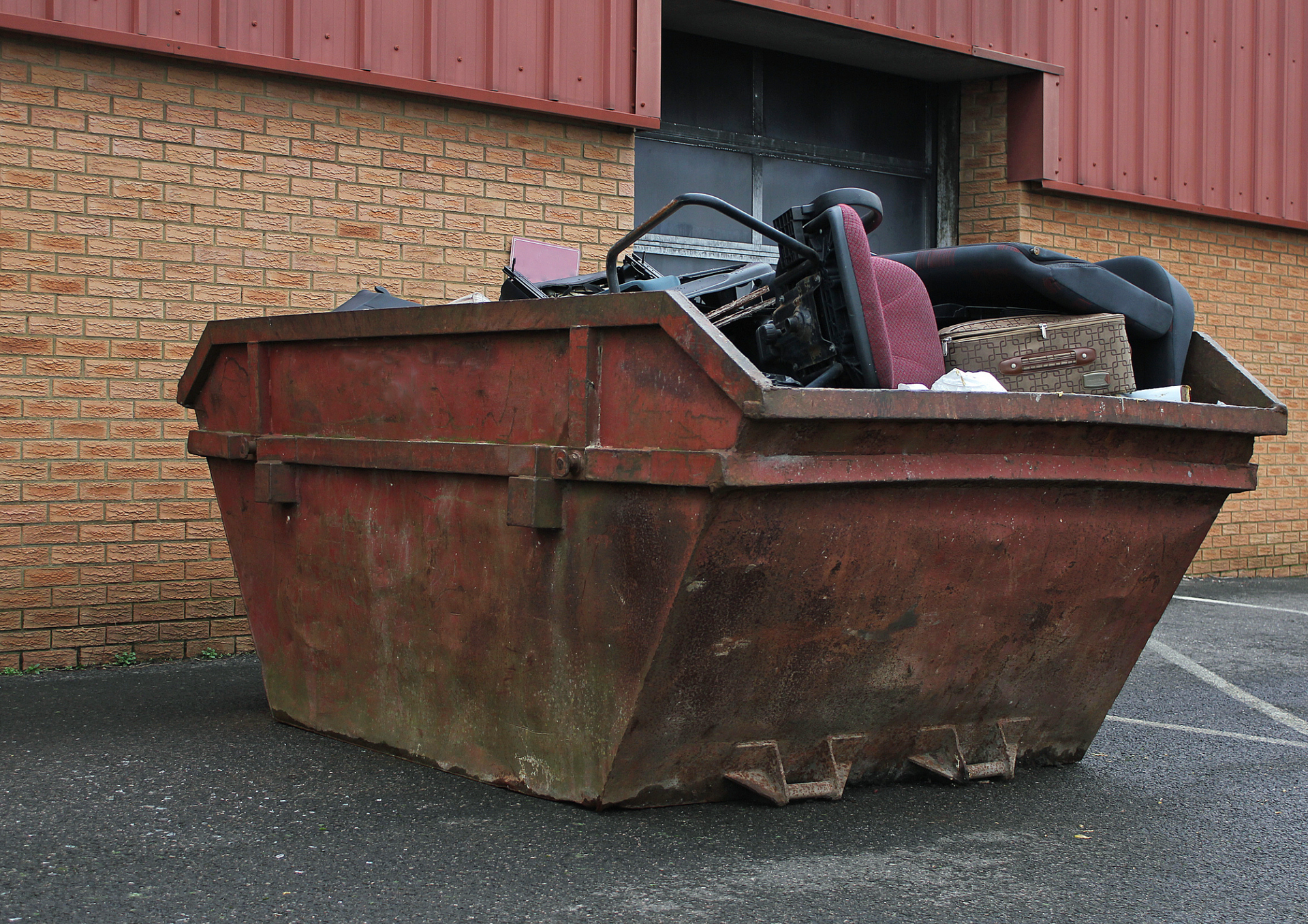


Local Skip Hire Solutions for Garden and Household Clearances
Clearing unwanted materials from a home or garden can quickly become a larger task than expected. Old furniture, broken household items, packaging, branches, soil and renovation debris can occupy valuable space, making it difficult to continue working efficiently. Arranging local skip hire provides a practical way to keep waste contained while allowing a clearance project to progress in an organised manner.
For homeowners, landlords, surveyors, local authorities and those responsible for residential or commercial properties, planning waste removal before starting can prevent unnecessary disruption. A small garden tidy may only generate a modest amount of material, whereas a complete property clearance or substantial landscaping project can produce considerably more. Understanding the likely volume and type of waste is therefore an important first step.
Local knowledge can also be useful when arranging delivery and collection. Properties in and around Derby can vary considerably, from homes with private driveways and spacious gardens to terraced streets, flats and commercial premises where access may require additional planning. Considering these practical details early helps ensure the chosen waste solution suits both the project and the property.
A well-planned clearance is not simply about removing unwanted materials. It is also about maintaining accessible working areas, reducing unnecessary handling and making each stage of the project easier to manage.
Planning Garden and Household Clearances Effectively
A successful clearance usually begins before the first item is removed. Assessing the type of waste, available space and expected volume helps customers decide what arrangements are needed. People searching for local skip hire near me should consider these practical requirements alongside convenience so that the service they choose matches the actual demands of their project.
Household Clearances
- Walk through each room before starting and identify furniture, fittings, packaging and general unwanted items that need removing.
- Separating belongings that will be kept, donated or reused prevents useful items from being accidentally discarded.
- Clearing one room at a time can make larger projects feel more manageable and prevents waste from becoming scattered throughout the property.
- Consider awkward or bulky items early so there is a clear route between the property and the waste container.
Garden Projects
- Garden clearances may produce branches, leaves, hedge cuttings and other bulky materials that occupy considerable space despite being relatively light.
- Landscaping work can also create soil, old fencing, paving materials and damaged garden features that require additional consideration.
- Cutting longer branches into manageable sections can make loading easier and help available capacity to be used more effectively.
- Keeping pathways clear is particularly important when materials must be carried from a rear garden to the front of the property.
Access and Placement
- Check that there is sufficient room for delivery before making arrangements.
- Consider parked vehicles, gates, narrow entrances, overhead obstructions and other features that could affect positioning.
- A private driveway can provide a convenient location, while placement elsewhere may require different arrangements.
- The chosen position should allow waste to be loaded without creating unnecessary inconvenience for occupants or neighbouring properties.
Timing the Clearance
- Decide whether the work will be completed in a single day, over a weekend or across several stages.
- Having the container available before substantial work begins helps prevent rubbish from accumulating around the site.
- Allow enough time to complete the work without rushing simply because collection is approaching.
- For larger projects, coordinate waste removal with contractors or other trades so that materials do not obstruct subsequent stages.
Careful preparation makes the physical work considerably easier. It also provides a clearer idea of the capacity required, which reduces the chance of choosing an unsuitable option or changing arrangements halfway through the project.
Why Local Knowledge Matters When Arranging Waste Removal
Waste removal requirements can vary significantly according to property type and location. A detached home with a large driveway presents different delivery considerations from a terraced property on a busy road. Similarly, a commercial site may need deliveries coordinated around staff, customers or other vehicles. Understanding these differences is one reason local knowledge can be valuable.
Experienced local skip companies should be able to discuss practical matters such as access, positioning and collection arrangements before the booking is confirmed. Clear communication at this stage gives customers an opportunity to explain the property layout and raise any concerns that could affect delivery.
For Derby properties, this can be particularly useful because residential areas include a wide variety of building types and street layouts. Some customers may have generous off-road space, while others need to consider narrow access points or limited frontage. Commercial properties can introduce additional considerations, particularly where waste removal needs to fit around operating hours or deliveries.
Good communication should continue throughout the hire period. Customers benefit from understanding what happens when the container is ready for collection and what they should do if their project schedule changes. Clear arrangements reduce uncertainty and allow property owners or project managers to concentrate on the work itself.
Local knowledge can also help when planning the timing of a clearance. A household project may be organised around weekends, while landlords might need waste removed between tenancies. Surveyors and property professionals may be coordinating work with contractors, and local authorities can have more structured operational requirements. A service that considers these circumstances can be easier to integrate into the wider project.
The same principle applies to commercial properties. Retail units, offices and other premises often need waste management that minimises interference with everyday activities. Planning where equipment will be positioned and when it will be collected can help maintain access for staff, visitors and customers.
Ultimately, choosing a suitable provider should involve more than simply identifying who can deliver. Communication, practical planning and an understanding of the property all contribute to a smoother experience.
Choosing a Suitable Size for the Waste You Expect
Selecting suitable capacity is an important part of arranging local skip hire. A container that is too small may fill before the clearance is complete, while choosing significantly more capacity than necessary can be inefficient. Estimating the amount of waste beforehand helps customers make a more informed choice.
Small Household Jobs
- Decluttering a single room, clearing cupboards or removing smaller quantities of household rubbish may only require limited capacity.
- Breaking down cardboard boxes and dismantling suitable furniture can help make better use of the available space.
- Consider whether additional waste is likely to be generated once cupboards, garages or storage areas are opened.
Larger Home Clearances
- Whole-property clearances can produce considerably more waste than expected, particularly when lofts, sheds and garages are included.
- Old furniture and bulky household items can occupy substantial space even when there are relatively few individual pieces.
- Planning room by room provides a more realistic picture of the overall volume.
Garden and Landscaping Work
- Hedge cuttings, branches and plants are bulky and can quickly fill available capacity.
- Larger landscaping projects may also involve old fencing, timber, paving and other materials.
- Different materials should be considered carefully before loading so the chosen solution remains suitable for the project.
Renovations and Property Improvements
- Bathroom, kitchen and general refurbishment work can create mixed materials as old fittings and finishes are removed.
- Larger improvements may generate waste gradually rather than all at once, making project timing particularly important.
- Contractors and property managers should estimate waste alongside the planned stages of work to prevent unnecessary accumulation.
Commercial Clearances
- Office moves, refurbishments and property maintenance can generate furniture, packaging and general unwanted materials.
- The volume should be assessed before work begins so waste removal can be incorporated into the project schedule.
- Where a site remains operational, the chosen capacity and placement should minimise interference with normal activities.
Customers should also think about how efficiently materials can be loaded. Simply throwing items into the container without planning can leave large empty spaces between bulky objects. Organising materials carefully can make much better use of the available capacity while keeping the surrounding area tidier.
Balancing Affordability with Dependable Service
Budget naturally plays an important part in any home improvement or clearance project. However, choosing a waste removal service purely because it has the lowest advertised figure can overlook factors that affect the overall experience. Customers comparing cheap local skips should consider reliability, communication, suitable capacity and collection arrangements alongside the initial quotation.
A clear quotation is a useful starting point. Customers should understand what the arrangement includes and whether the proposed size and hire period are appropriate for their work. Comparing equivalent services gives a more meaningful picture than looking at headline figures without considering what is provided.
Dependable delivery is particularly important when other work has been scheduled around the clearance. If tradespeople are due to begin a renovation, for example, having waste removal arrangements in place can help prevent old materials from obstructing the next stage. Landlords preparing a property for new occupants may also be working within a limited timeframe, making organisation especially valuable.
Collection matters just as much as delivery. Once a project has finished and the waste container is ready to be removed, customers generally want the area returned to normal without unnecessary complications. Agreeing how collection will be arranged provides greater clarity from the beginning.
Customer support should also be considered. Questions can arise regarding capacity, placement, timing or suitable materials, particularly for people arranging a clearance for the first time. Straightforward guidance can prevent mistakes and make the process easier to understand.
Responsible waste management is another factor worth considering. An organised provider should have appropriate procedures for handling collected materials and separating recyclable waste where practical. This gives customers a more complete service rather than treating collection as the only important part of the process.
Good value therefore involves balancing affordability with practical service. The aim is not necessarily to choose the highest or lowest quotation, but to find an arrangement that suits the project, property and expected waste volume.
Garden and household clearances are easier to manage when waste removal is considered as part of the project rather than left until unwanted materials have already accumulated. Assessing the likely volume, separating items where appropriate and identifying a suitable location for delivery can make the entire process more organised.
The requirements of each property will differ. A small garden tidy has very different demands from a complete house clearance, refurbishment or commercial project. Property layout, accessibility, project duration and the types of materials being removed should therefore be considered before making a booking.
Good planning also helps maintain clearer working areas. Instead of allowing bags, old furniture, branches or renovation materials to build up around the property, waste can be contained in one designated location. This can make it easier for homeowners, landlords, contractors and property professionals to move around the site and continue with other tasks.
Choosing an appropriate
local skip hire provider should involve comparing the complete service rather than focusing on one factor alone. Clear communication, suitable capacity, organised delivery and dependable collection all contribute to a more straightforward experience. With these considerations addressed before work begins, waste removal can become a manageable part of even a substantial clearance.
Skip Hire Derby provides practical waste removal solutions for homeowners, landlords, surveyors, local authorities and those responsible for residential and commercial properties. We focus on straightforward communication and organised arrangements so customers can understand their options before making a booking.
Whether you need local skips for a household clearance, garden project, renovation or commercial property, our approach is centred on helping you select a suitable solution for the work involved. We understand that every site has different access conditions, waste volumes and timescales, so considering these details beforehand can help make delivery and collection easier to manage.
Our website provides useful information to help customers understand their choices without unnecessary complexity. By focusing on practical planning, suitable capacity and dependable arrangements, we aim to make waste removal a straightforward part of projects throughout Derby and the surrounding area.
Check out our latest X update on practical
local skip hire solutions for garden and household clearances!
You might also like