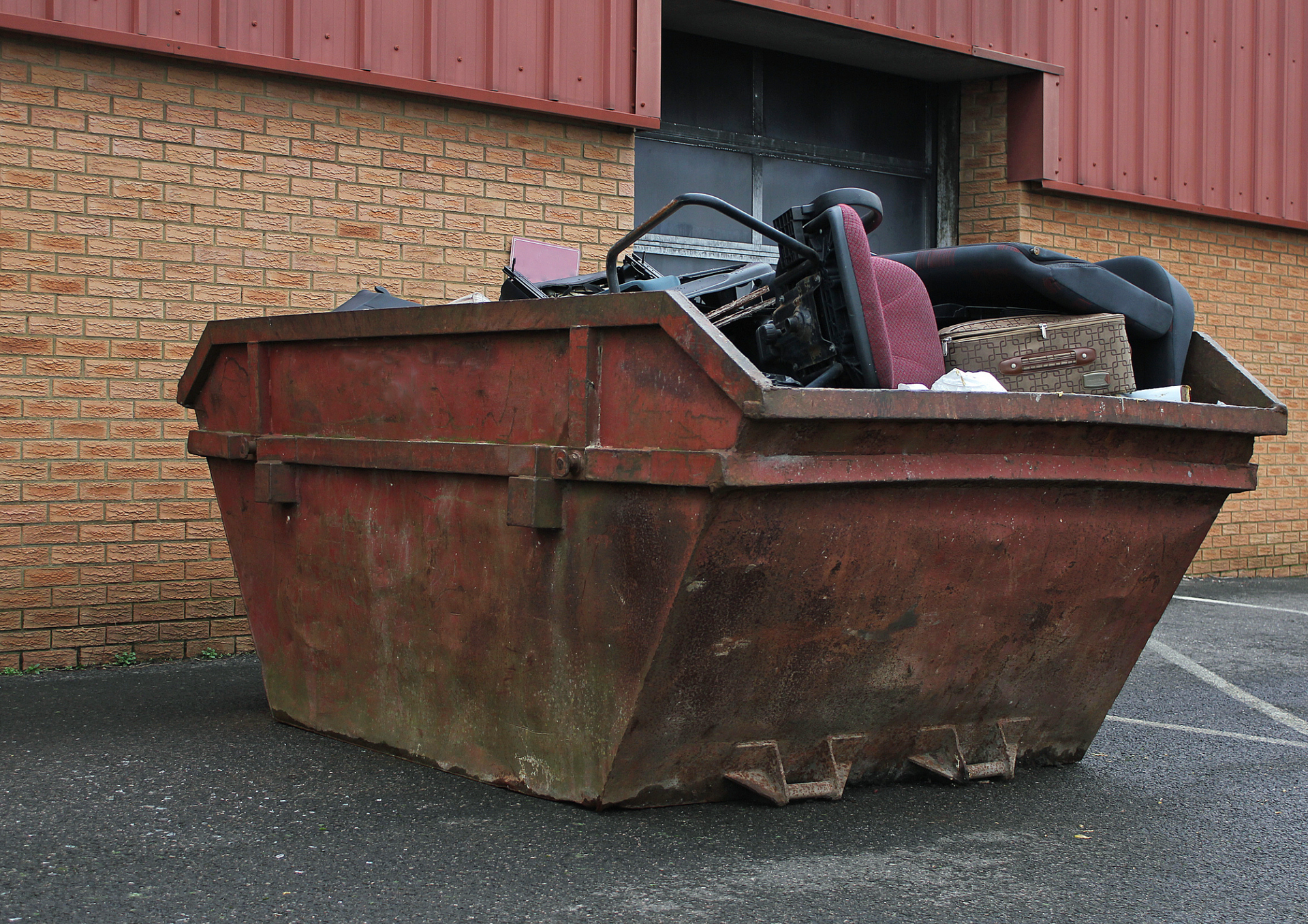


Skip Hire for Warehouse Clearance Projects Made Efficiently Today
Warehouse clearance projects require careful organisation, practical planning, and an efficient approach to removing unwanted materials. Whether the building is being prepared for a new tenant, converted for another purpose, renovated, or simply decluttered after years of use, managing waste effectively helps every stage of the project run more smoothly. Large quantities of packaging, shelving, timber, pallets, metal, damaged stock, office furniture, and general rubbish can quickly accumulate, making it difficult to move around the premises safely.
For homeowners converting outbuildings, landlords preparing commercial units, surveyors overseeing redevelopment, and local authorities managing public properties, having a structured waste management plan helps reduce disruption while maintaining a tidy working environment. Choosing skip hire at the beginning of the project provides one central location for waste disposal, allowing teams to work continuously without repeated trips to local recycling facilities.
Planning a Warehouse Clearance Before Work Begins
A successful warehouse clearance starts long before the first item is removed. Spending time assessing the building helps identify the types of waste that will need disposing of and allows work to be completed in a logical order.
Walking through the property provides an opportunity to identify reusable equipment, recyclable materials, damaged fixtures, obsolete stock, and general waste. Separating these items before work begins makes skip hire more efficient by ensuring waste is organised before loading, helping maximise available space and reducing unnecessary delays throughout the warehouse clearance project.
Creating designated work zones also helps maintain organisation. Dividing the warehouse into sections allows clearance teams to complete one area before moving to the next, reducing confusion and preventing cleared spaces from becoming cluttered again.
Health and safety should remain a priority throughout every clearance project. Loose materials, damaged shelving, broken pallets, discarded packaging, and scattered debris can all create unnecessary trip hazards. Maintaining clean walkways allows workers to move safely around the building while improving productivity.
Many warehouses contain heavy equipment or bulky storage systems that require dismantling before removal. Planning this work in advance allows larger items to be removed safely without disrupting other activities taking place within the building.
Good communication between everyone involved also contributes to an organised project. Homeowners, landlords, contractors, surveyors, maintenance teams, and site managers all benefit from understanding the planned sequence of work, collection schedules, and designated waste disposal areas.
Documentation may also be helpful when clearing larger premises. Recording equipment being removed, reusable stock, or surplus materials helps maintain accurate records while supporting future property management decisions.
Lighting should never be overlooked during warehouse clearances. Older buildings sometimes contain poorly lit areas where hazards are more difficult to identify. Temporary lighting may improve visibility and make working conditions safer throughout the project.
Weather conditions can also influence clearance work where loading areas are located outdoors. Planning deliveries, collections, and material handling around changing weather helps maintain efficiency while reducing unnecessary delays.
Choosing the Right Skip for Different Warehouse Waste
Selecting the right skip is an important part of any warehouse clearance project. The size you choose should reflect both the amount and type of waste being produced, while also considering the available space for delivery and collection. Planning ahead helps improve efficiency, reduces unnecessary delays, and keeps the site organised throughout the clearance.
Choosing the Right Skip Size
- 2 yard skip – Suitable for smaller clearance jobs with limited amounts of rubbish or where access is restricted.
- 4 yard skip – A practical option for mixed household or commercial waste when a little more capacity is required.
- 6 yard skip – Well suited to medium-sized warehouse clearances involving timber, packaging, shelving, office furniture, and general waste.
- 8 yard skip – Ideal for larger warehouse clearances, business relocations, refurbishments, or projects producing substantial amounts of bulky waste.
Consider the Type of Waste
- Estimate the overall volume before selecting a skip.
- Lightweight packaging can fill a skip quickly despite weighing very little.
- Heavy materials such as bricks, concrete, timber, and metal shelving require sufficient capacity and careful loading.
Check Site Access
- Measure entrances, gateways, service roads, and loading bays before delivery.
- Ensure there is enough space for the skip to be positioned safely.
- Choose a location close to the work area to reduce unnecessary carrying distances and improve productivity.
Load the Skip Efficiently
- Place heavier materials at the bottom of the skip.
- Distribute waste evenly to maximise available space.
- Avoid overfilling by keeping waste below the top edge for safe collection and transport.
Separate Recyclable Materials
- Sort timber, cardboard, metals, plastics, and other recyclable materials where practical.
- Keeping recyclable waste separate can make the clearance more organised and support responsible waste management throughout the project.
Keeping Warehouse Clearance Projects Organised and Efficient
Warehouse clearances often involve multiple stages, particularly where buildings contain years of accumulated stock or equipment. Maintaining an organised approach throughout the project helps minimise disruption while improving overall efficiency.
Beginning with unused storage areas often creates additional working space for sorting materials before larger sections of the warehouse are cleared.
Removing damaged shelving, broken pallets, redundant office furniture, and obsolete equipment early in the project provides better access to remaining areas while reducing unnecessary obstacles.
Packaging materials frequently occupy far more space than expected. Flattening cardboard boxes and compressing suitable materials before disposal helps maximise skip capacity and keeps working areas tidy.
Regular housekeeping throughout the project prevents small accumulations of waste becoming larger obstacles. Simple tasks such as sweeping walkways, collecting loose debris, and keeping access routes clear contribute significantly to overall site organisation.
Where machinery remains within the building, clearance work should be carefully coordinated to avoid interfering with operational equipment. Clearly marking restricted areas helps maintain safe movement throughout the premises.
Labelling reusable materials separately also prevents accidental disposal of equipment that may still have practical value. Many warehouses contain shelving, storage containers, pallets, fixtures, and office furniture that can continue serving useful purposes elsewhere.
Scheduling deliveries and collections at quieter times helps reduce disruption where warehouses remain partially operational during clearance work.
Regular progress reviews allow project managers to monitor waste volumes and determine whether additional collections or revised working arrangements may be beneficial before delays occur.
Good communication remains important throughout the project. Contractors, maintenance staff, property managers, and building owners all benefit from understanding progress and any adjustments to the planned schedule.
Completing the Clearance and Preparing the Property
As the project approaches completion, attention turns towards ensuring the warehouse is left clean, organised, and ready for its next stage of use. A thorough final inspection helps identify any remaining waste, overlooked materials, or areas requiring additional attention.
Remaining fixtures, redundant shelving, temporary barriers, and miscellaneous items should be removed before carrying out a complete sweep of the building. This final stage often reveals smaller quantities of waste that accumulated throughout the project.
Checking loading bays, external storage areas, staff facilities, mezzanine floors, and office spaces ensures no materials have been left behind. Where the property is changing ownership or welcoming new tenants, presenting a clean and organised environment creates a far better impression while allowing future work to begin immediately.
Surveyors and property managers may also conduct final inspections to confirm the building meets project requirements before handover. Completing skip hire collections before these inspections helps ensure waste has been removed, leaving the property clean, organised, and ready for its next stage of use.
Warehouse clearances frequently form part of wider redevelopment programmes, refurbishment projects, business relocations, or changes in operational requirements. Completing waste removal efficiently allows these future activities to begin without unnecessary delay.
Skip Hire Derby
aims to provide straightforward information that helps customers make informed decisions before beginning any warehouse clearance project. Our website offers practical guidance on waste management, skip selection, project planning, and responsible disposal methods suitable for residential and commercial properties alike.
We focus on clear advice, reliable information, and a professional approach that supports projects of every size, helping customers plan confidently from the initial assessment through to the successful completion of their clearance.
New Update on X:
Skip hire support for commercial and warehouse clearances.
You might also like