

Skips for Timber, Plasterboard and Building Waste Collection
Construction, renovation, and property improvement projects often create significant amounts of waste that require organised disposal methods. From broken plasterboard and damaged timber to heavy construction debris, managing waste efficiently helps keep sites safer, cleaner, and easier to manage throughout every stage of work.
For homeowners, landlords, surveyors, and local authorities overseeing residential and commercial properties, structured waste handling can support smoother project management and reduce unnecessary disruption. Choosing suitable waste collection methods becomes particularly important during renovations, extensions, refurbishments, and demolition work.
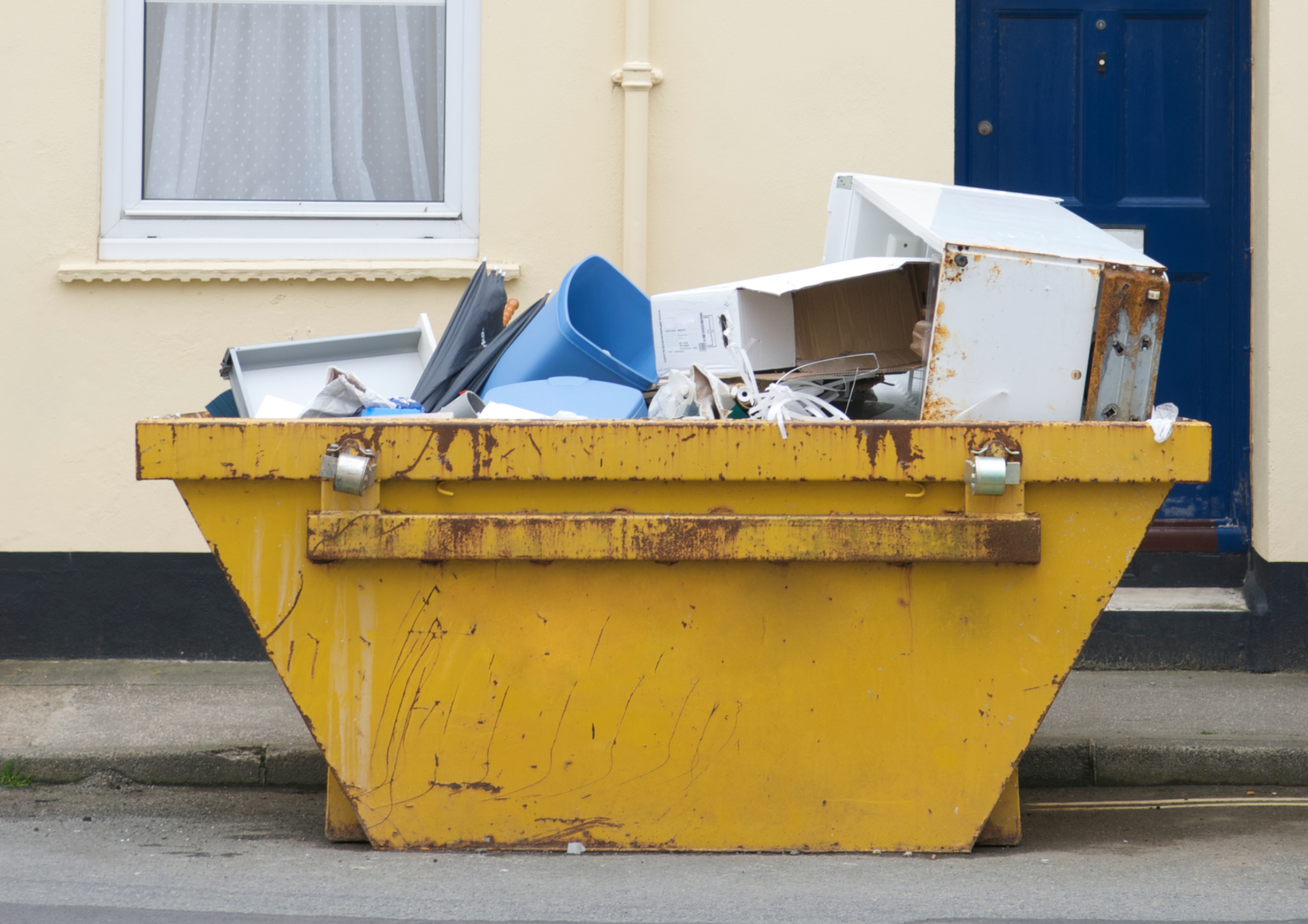
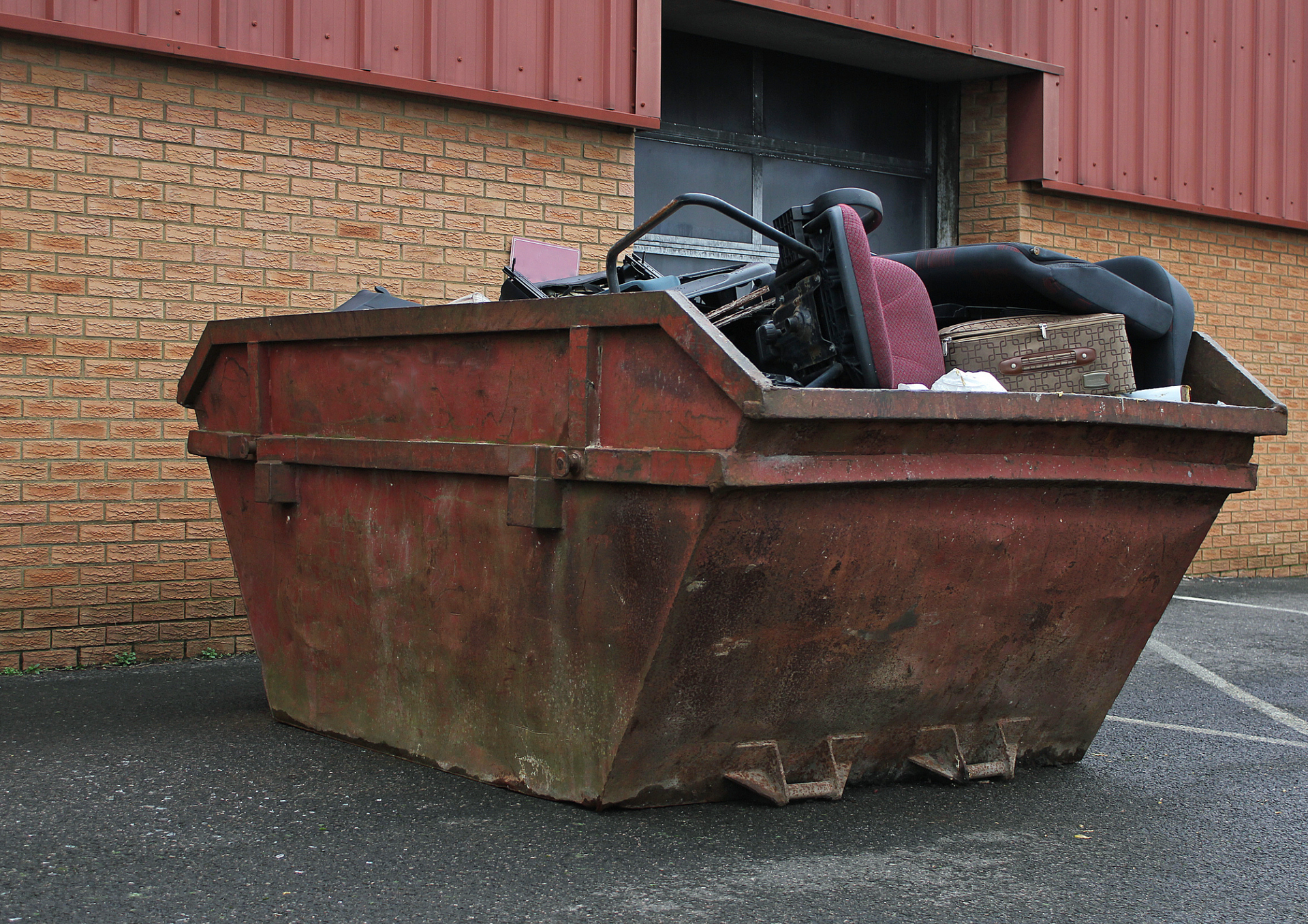
Different building materials require careful handling, especially when dealing with bulky or mixed construction waste. Reliable waste removal planning allows projects to progress without excessive clutter building up on site. Many property owners rely on skips during renovation and clearance work because they provide a practical solution for collecting multiple types of building waste in one accessible location.
Whether clearing old fitted units, removing internal walls, or replacing roofing materials, organised waste storage can improve efficiency while helping maintain tidy working conditions.
Managing Timber and Construction Waste Effectively
Timber waste is one of the most common materials generated during property work. Old flooring, fencing panels, roofing battens, doors, skirting boards, and timber framing can quickly accumulate during renovation projects.
Using skips for organised waste collection helps reduce clutter, improve site safety, and support smoother progress for contractors and property owners throughout the project. Construction waste may also include broken bricks, rubble, tiles, insulation materials, and packaging from building supplies.
Some projects generate heavier waste volumes than expected, particularly during structural alterations or full property refurbishments. Careful planning helps prevent waste from becoming unmanageable during busy stages of the project.
Professional waste collection support helps residential and commercial projects maintain better organisation throughout the work. This is particularly beneficial for landlords preparing rental properties, surveyors overseeing building improvements, or local authorities coordinating maintenance work across multiple sites.
Using skip's for construction waste allows different materials to be collected together in a central location, helping reduce repeated trips to disposal facilities while keeping workspaces more accessible for ongoing tasks.
Handling Plasterboard Waste During Renovation Projects
Plasterboard removal is common during interior refurbishment work, extensions, office renovations, and property modernisation projects. Once walls or ceilings are removed, large volumes of plasterboard can build up rapidly, especially in older properties undergoing structural changes or layout alterations.
Broken plasterboard sheets are often awkward to store safely because they can create dust, sharp edges, and unstable piles if left unmanaged. Proper disposal arrangements help maintain safer working conditions for both residential and commercial projects. This is particularly important on busy sites where multiple trades may be working simultaneously.
Many renovation projects also involve additional materials alongside plasterboard waste, including timber offcuts, insulation, tiles, wiring, or damaged fixtures. Organised waste collection helps keep these materials separated where necessary while allowing smoother site operations throughout the project duration.
Property owners planning refurbishment work may decide to order a skip in advance so waste management arrangements are already in place before demolition or construction work begins. Early preparation often helps projects run more efficiently and reduces delays caused by excess debris accumulating around the property.
Waste Removal Support for Residential and Commercial Projects
Building waste management requirements can vary significantly depending on the scale and type of project involved. Residential properties may generate waste during loft conversions, kitchen replacements, garden landscaping, or garage clearances, while commercial premises may require larger-scale disposal support during refurbishment or redevelopment work, making skips a practical solution for keeping sites organised and manageable.
Landlords preparing properties between tenants often require efficient waste clearance to remove unwanted materials quickly before maintenance or decorating begins. Surveyors overseeing property improvement works may also benefit from organised waste handling that helps maintain safe access throughout inspections and construction stages.
Local authorities and commercial property managers frequently oversee multiple sites where reliable waste collection helps support maintenance schedules and operational efficiency. Construction debris, timber waste, and plasterboard materials can accumulate rapidly across larger projects, making structured disposal arrangements essential for maintaining workflow and site accessibility.
For many projects, arranging a skip online offers a straightforward way to organise waste collection while allowing builders, contractors, and property owners to focus on the main construction or renovation tasks without interruption.
Choosing Suitable Waste Collection for Building Materials
Different construction materials may require varying disposal considerations depending on the type of project being completed. Heavy materials such as bricks, concrete, and rubble can place additional demands on waste storage, while lighter materials such as timber or plasterboard may occupy significant space despite weighing less.
Selecting suitable waste collection capacity often depends on factors including project duration, property size, and the volume of materials expected during demolition or refurbishment stages. Smaller domestic renovations may require moderate waste capacity, while larger commercial refurbishments or redevelopment works often produce substantially greater volumes of debris.
Organised waste removal also helps improve the appearance and safety of active building sites. Clear working areas reduce obstruction risks and help contractors move materials, tools, and equipment more efficiently throughout the project. Maintaining tidier conditions may also assist when properties remain partially occupied during ongoing renovation work.
Careful planning becomes especially important during phased construction projects where waste volumes can fluctuate considerably between different stages of work. Reliable waste collection arrangements help ensure projects continue progressing without unnecessary disruption caused by overflowing debris or limited storage space.
Skip Hire Derby
focuses on providing clear, practical, and straightforward information for property owners, contractors, landlords, and commercial clients seeking reliable waste removal support. Our website has been designed to help users quickly understand waste collection options for a wide range of construction, renovation, and property clearance projects.
Just out on X:
Professional skips for construction and clearance projects.
You might also like