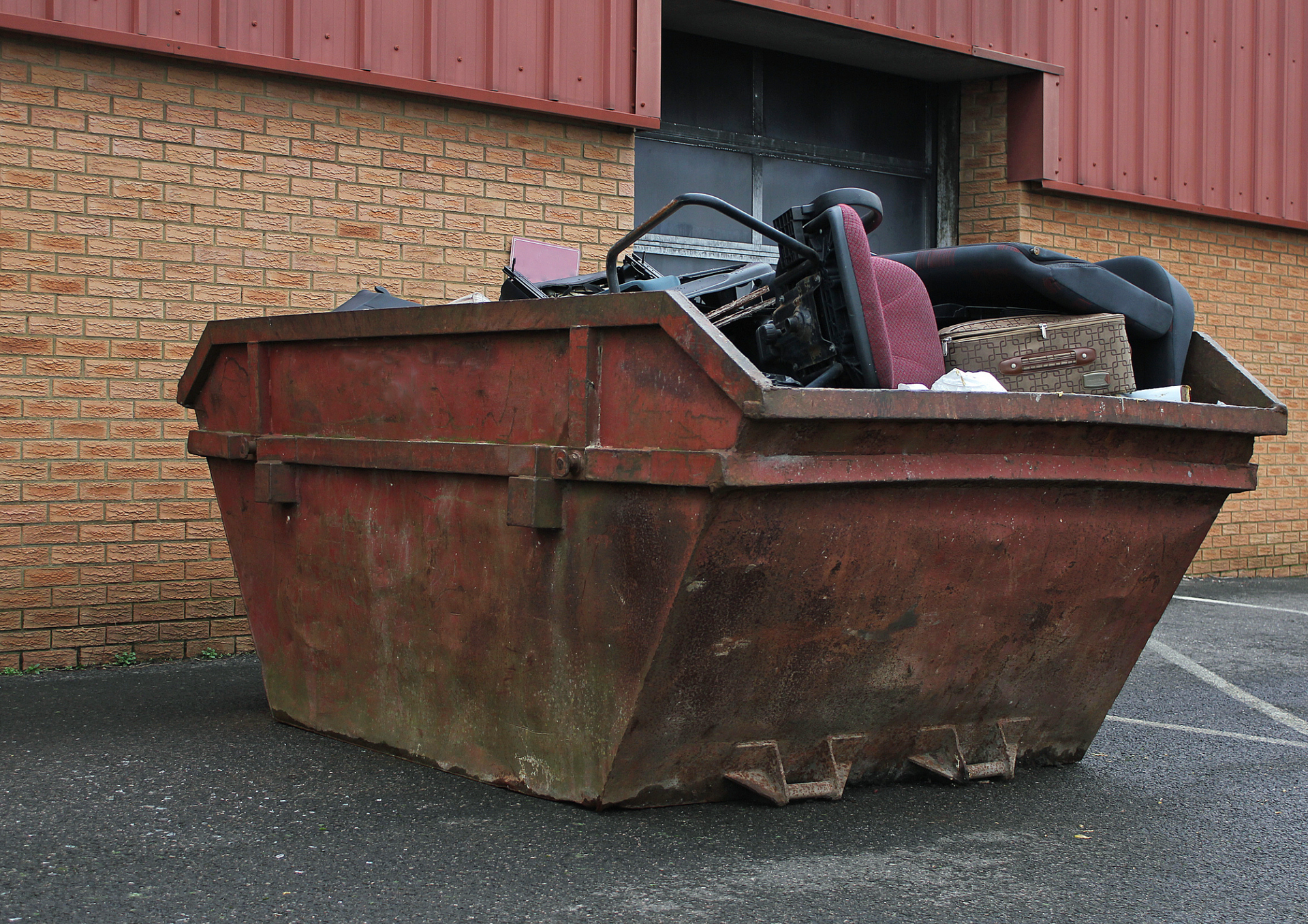


Understanding Weight Limits When Using Skips Safely in Projects
Managing waste efficiently involves more than simply selecting the right size container. Weight restrictions play a vital role in safe transport, legal compliance, and smooth collection. Exceeding permitted limits can lead to rejected collections, additional charges, or safety risks during lifting. Understanding how weight limits apply to skips helps ensure your project remains organised and compliant from start to finish.
Why Weight Limits Matter
Each container is designed to carry a maximum load that ensures safe handling and lawful transport on public roads. Even if a unit appears only partially full, dense materials such as soil, bricks, and concrete can quickly reach that limit.
Planning ahead reduces the likelihood of disruption. Estimating both the volume and density of waste helps avoid complications on collection day. When managed responsibly, skips support safer lifting, transport, and disposal processes.
Common Causes of Overloading
Overloading often occurs when heavy materials are mixed with lighter waste without considering overall weight. Landscaping and building projects frequently generate dense debris that can exceed safe limits.
Before you order a skip, consider the type of materials involved. In some cases, separating heavier waste into a dedicated container may be more practical than combining everything into one larger unit. Clear communication with your provider helps ensure suitable recommendations.
Planning and Booking Responsibly
Accurate planning supports better cost control and fewer unexpected issues. Estimating waste carefully helps align container capacity with project requirements.
Many customers choose to skip online to compare sizes and review guidance before confirming their booking. Digital booking platforms can provide helpful information about weight thresholds, ensuring selections are realistic and appropriate. Understanding these details in advance prevents last-minute adjustments and improves overall workflow.
Safe Loading and Handling Practices
Even when capacity appears sufficient, loading technique remains important. Uneven distribution can affect balance during lifting and transport. Understanding the guidelines for skip's, including weight limits and permitted materials, helps avoid collection delays or safety concerns.
Distributing heavier items evenly and avoiding prohibited materials supports smooth and secure removal. When used responsibly, skips provide a structured and dependable method of managing waste across projects of all sizes.
Skip Hire Derby is designed to make waste management clear, dependable, and straightforward. Our platform connects customers with trusted local providers who prioritise compliance, recycling, and transparent communication. Whether you are overseeing a domestic renovation or a commercial build, we help you access reliable solutions that support efficient planning and responsible waste handling without unnecessary complexity.
Latest post on X: How weight limits affect the safe use of
skips on site!
You might also like